

YONGNING
NEWS CENTER
Introduction to several types of waste incineration grate
Release Time:
Apr 28,2021
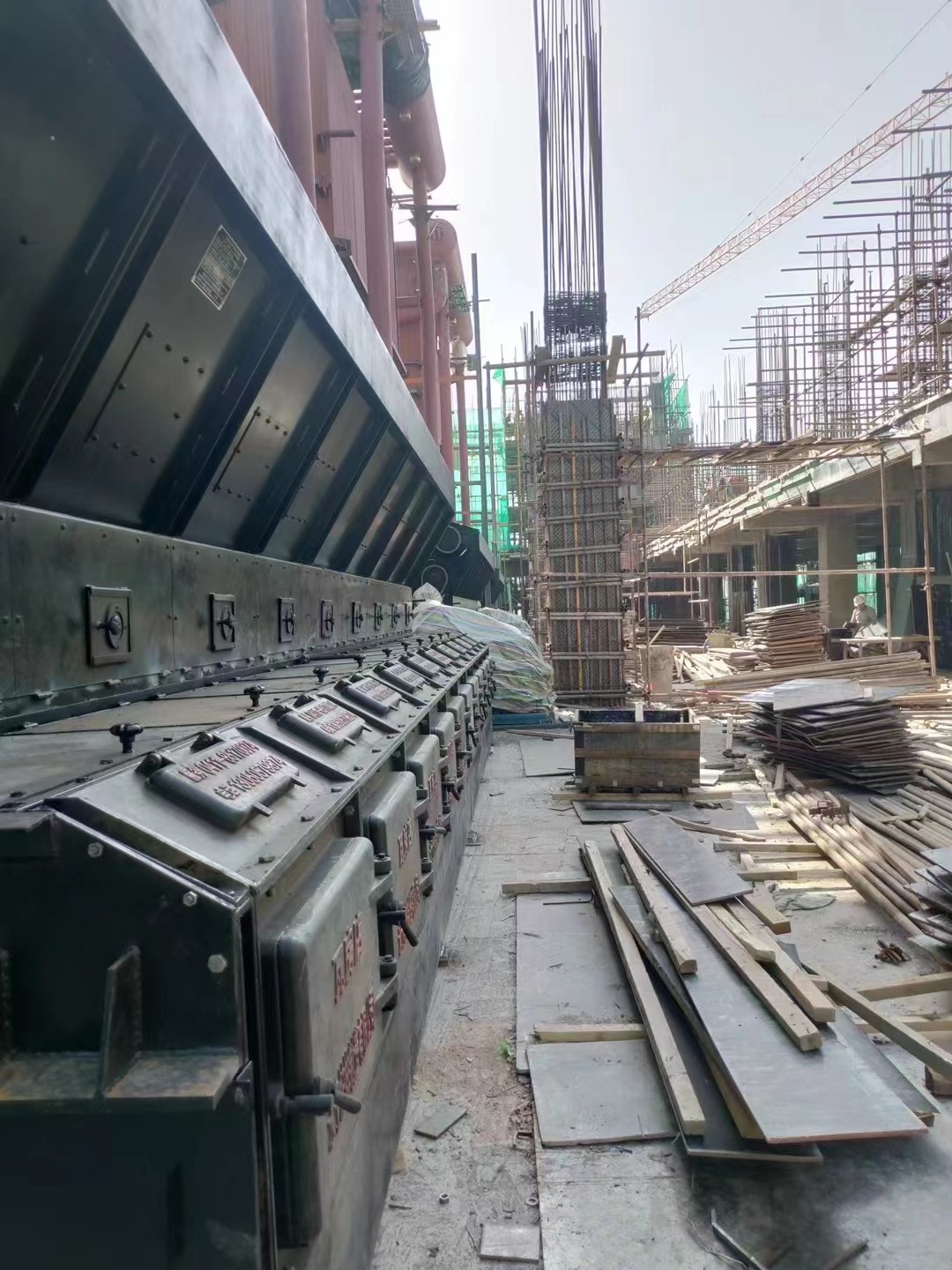
The grate system is the core part of the grate-type waste incineration furnace. It plays a crucial role in the overall process route, incineration effect, project cost, economic benefits, etc. To meet the needs of engineering design, it is essential to master the technical characteristics of waste incineration grate technology for future engineering design as a technical reserve. This article will briefly introduce several characteristics of grates.
The waste incineration grate mainly consists of reciprocating moving parts. Waste is pushed onto the grate by the feeding device, and heated in the high temperature inside the furnace, allowing some waste to dry. The movement of the grate pushes the waste forward while loosening the waste layer, gradually passing the fuel (waste) through various stages of drying, ignition, combustion, and burnout, ensuring complete combustion.
Mechanical grate-type incinerators have various forms of grates, with the main ones currently in use being reverse-push grates, forward-push grates, and drum-type grates; their main function is to perform reciprocating mechanical movements of the grate, thereby driving the movement and flipping of municipal waste. Currently, the main mechanical grate-type incinerators used domestically and internationally include Germany's Martin grate furnace technology and Japan's Hitachi Shipbuilding grate furnace technology, which have different structural forms and characteristics in their core grate components.
RELATED INFORMATION
How to choose a Manufacturer for grate production
Apr 01,2024
Precautions for Using the Grate
Mar 07,2024
The difference between reciprocating chain grate and biomass reciprocating grate.
Feb 15,2024
Photo News

Social Media


Contact Us
Add: Yongning Economic Development Zone, Wafangdian City, Dalian
Tel: 0411-85170074
Mobile: 13050579874 / 13364115533 / 13841142000
Fax: 0411-85171287
E-Mail: 120297882@qq.com
All Rights Reserved © 2025 Wafangdian Yongning Grate Manufacturing Co., Ltd.